Oxya is a demo theme for AstroBaaS. The rooms, free nights, walks and journal come from a live CMS. The house, the village’s guesthouse and everyone in it are invented.All demos

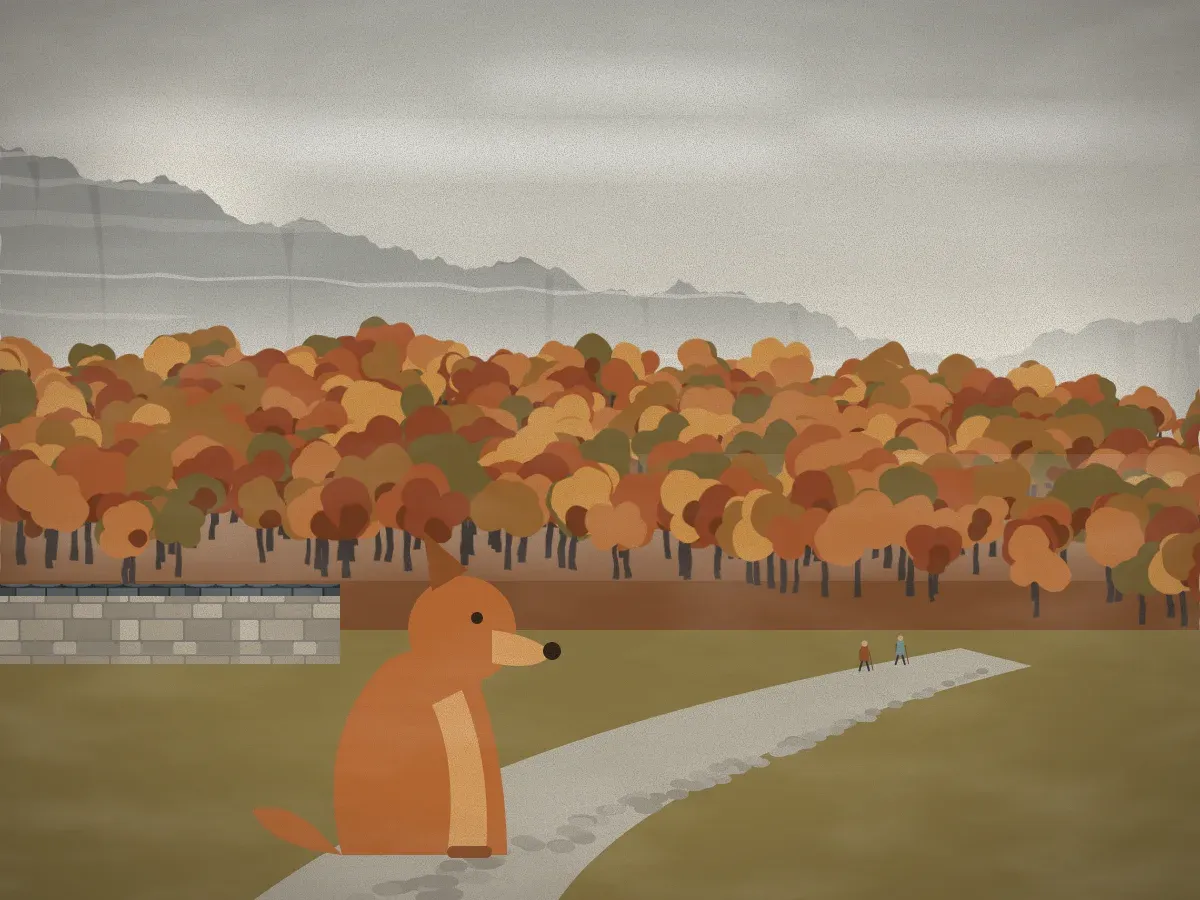
Autumn in Koukouli. The beech forest turns copper from the top of the mountain down, and we light the first fire.

Oxyarooms in Koukouli, ZagoriAsk for a room
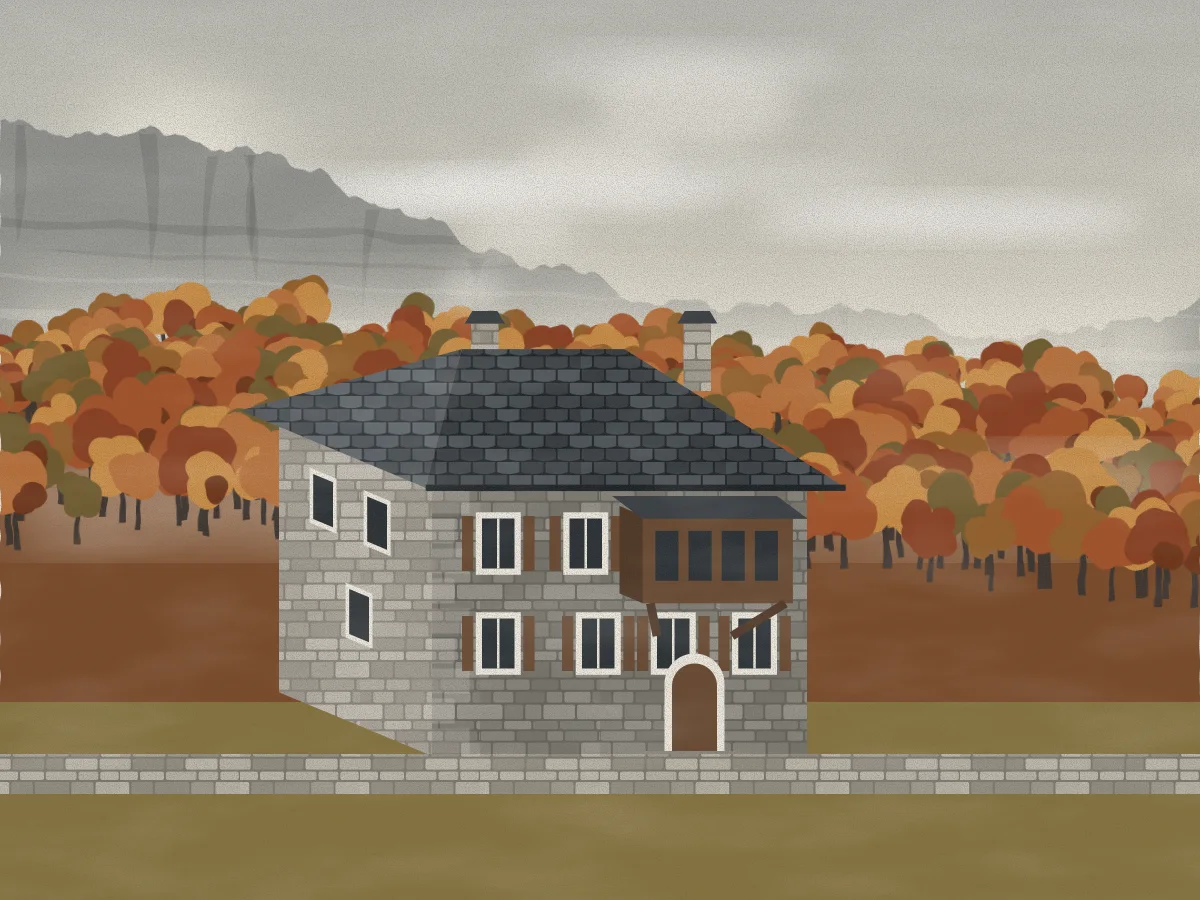
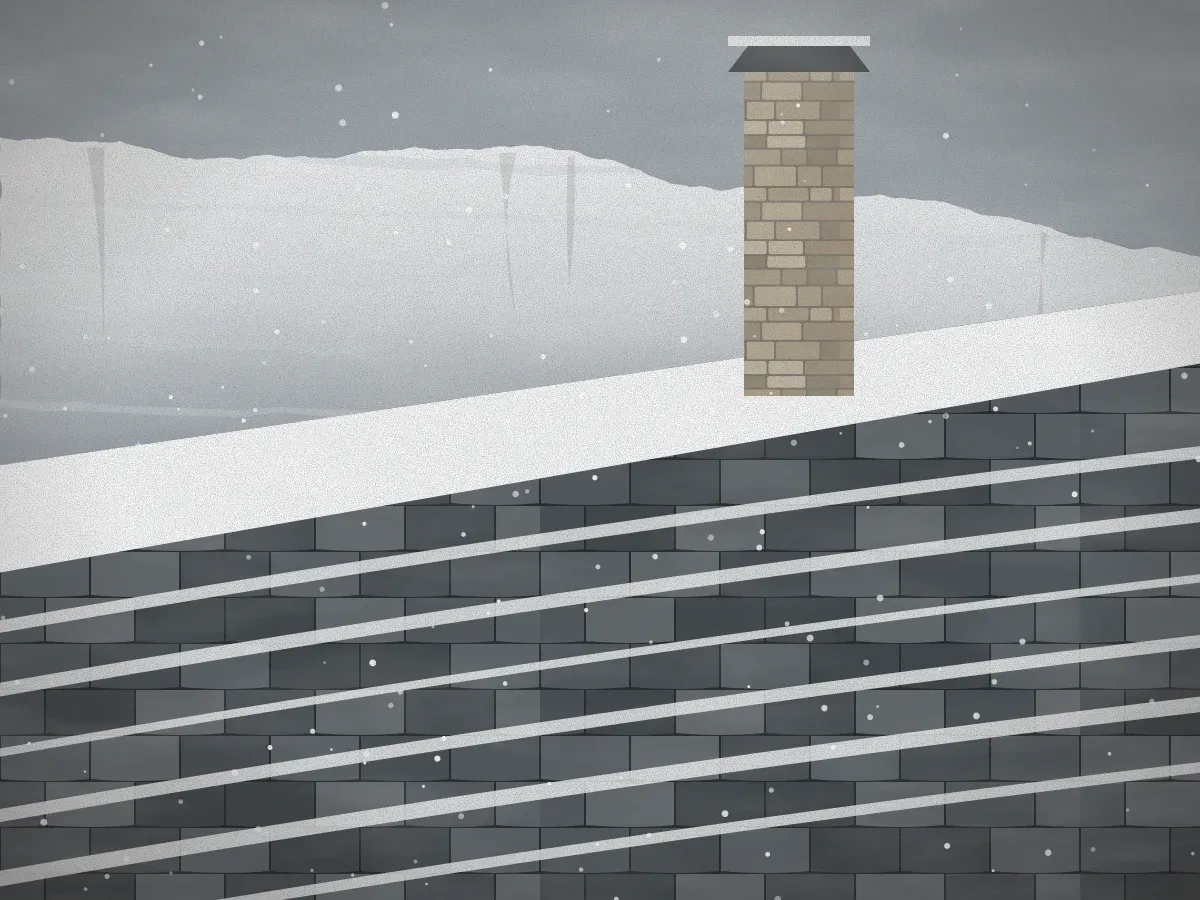
The restored house in autumn: grey stone, a new slate roof, the timber bay window and smoke from the chimney

Το αρχοντικό

A merchant’s house, put back stone by stone

Anastasios Hatzigakis built it in 1872 to show the valley how well the wool trade had gone. It stood empty from 1968. Katerina bought it in 2013 from eleven cousins, and it took four years to make it a house again.

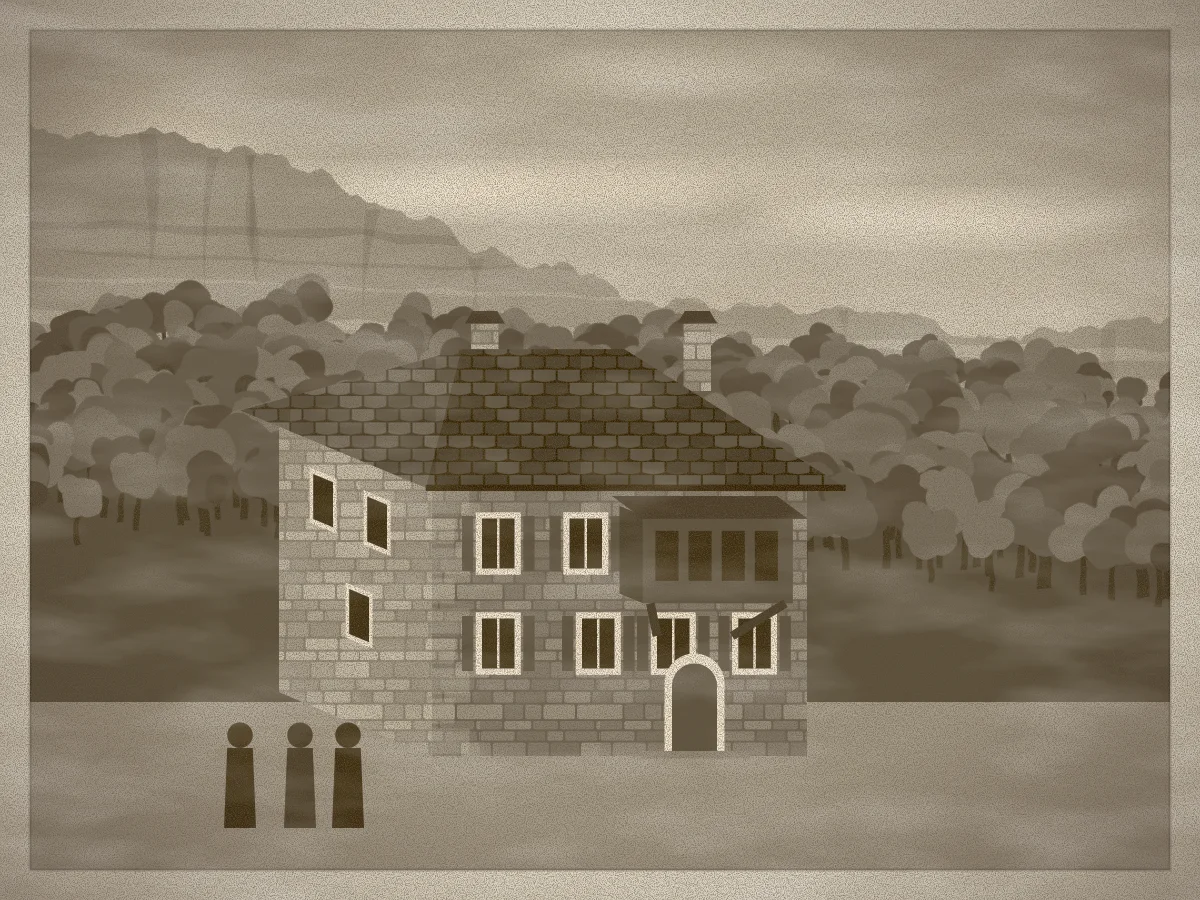
An old sepia photograph of the house with three figures standing in front of it
The house as the family had it photographed, around 1900. The three figures have never been identified.

1872 to now

  1. 1872

    Anastasios Hatzigakis, who sold Zagori wool and cheese as far as Bucharest, builds the house on the lower edge of Koukouli: three floors, walls ninety centimetres thick, a painted reception room at the top.

  2. 1913

    Epirus becomes part of Greece. The trade roads north close one by one, and the family’s business shrinks to the valley.

  3. 1968

    The last Hatzigakis moves to Ioannina. The house is locked, and the roof slowly lets the weather in.

  4. 2013

    Katerina finds it with a fig tree growing through the first floor, and buys it that winter from eleven cousins.

  5. 2015–2019

    Four years of restoration, stone by stone: every slate lifted, numbered and relaid; the painted ceiling cleaned with bread and cotton; lime plaster, never cement.

  6. 2019

    Oxya opens with nine rooms in May. Kanela arrives in September.

Before, and after

The same view, eleven years apart. The rule for the restoration was Katerina’s and simple: keep everything that could be kept, and where something had to be new, make it the way the old one was made.

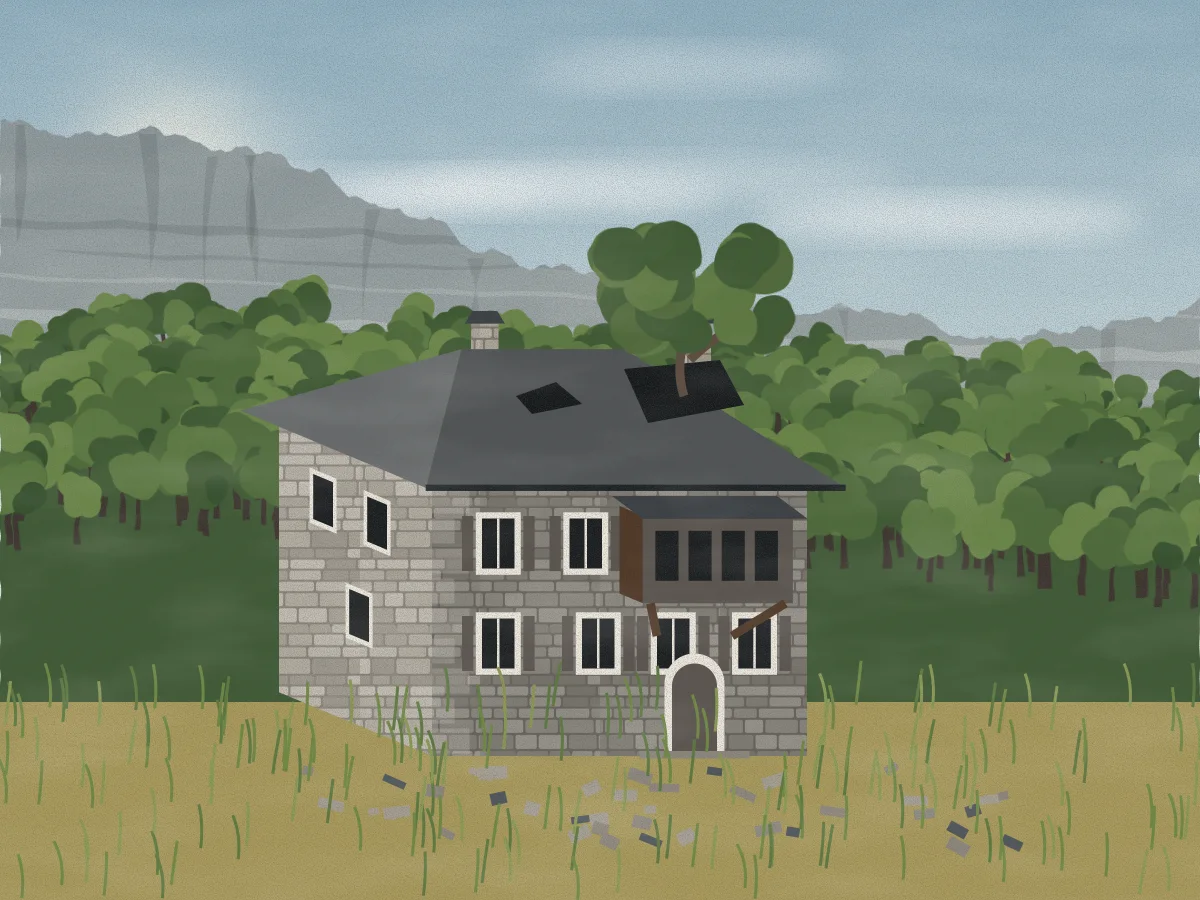
The house in 2013: roof fallen in, slates on the ground, a fig tree growing through the upper floor, long grass
Summer 2013. The fig tree had been growing through the first floor for twenty years.
The house restored, in autumn, with smoke from the chimney
Autumn now. The fig was replanted by the stable and gives about forty figs a year.

What we kept

  • The walls, all of them. Ninety centimetres of limestone, repointed with lime.
  • Most of the slates. Each one was lifted, numbered in chalk and relaid on new chestnut battens.
  • The painted ceiling of the oda, 1874, with its baskets of pears and a two-headed eagle.
  • The carved walnut cupboards in the winter room, and their iron keys.
  • The courtyard’s cobbles, taken up and relaid on a drain.

What we had to replace

  • The floors, in local oak. The old boards had rotted where the roof leaked.
  • Every window, copied from the three that survived, with double glazing hidden in the frame.
  • The plumbing and the wiring, run inside the walls so nothing shows.
  • A heat pump behind the stable, so the fires are for pleasure rather than survival.

How four thousand slates were numbered and relaid

How the house is arranged

Stores at the bottom, family in the middle, the best rooms at the top where the air and the views are. It is how every big Zagori house was built, and we left it that way.

Who you will meet

The house

Katerina Lazou

Katerina drew buildings in Athens for nineteen years, mostly other people’s offices. She came to Koukouli for a walking weekend in 2013, saw the house with a fig tree growing out of the upper floor, and bought it that winter. She ran the restoration herself, four years of it, with two masons from Konitsa and a carpenter who had only ever worked on churches. She does the rooms, the walks and the maps, and she will tell you which beam is original if you ask.
The kitchen

Petros Gousias

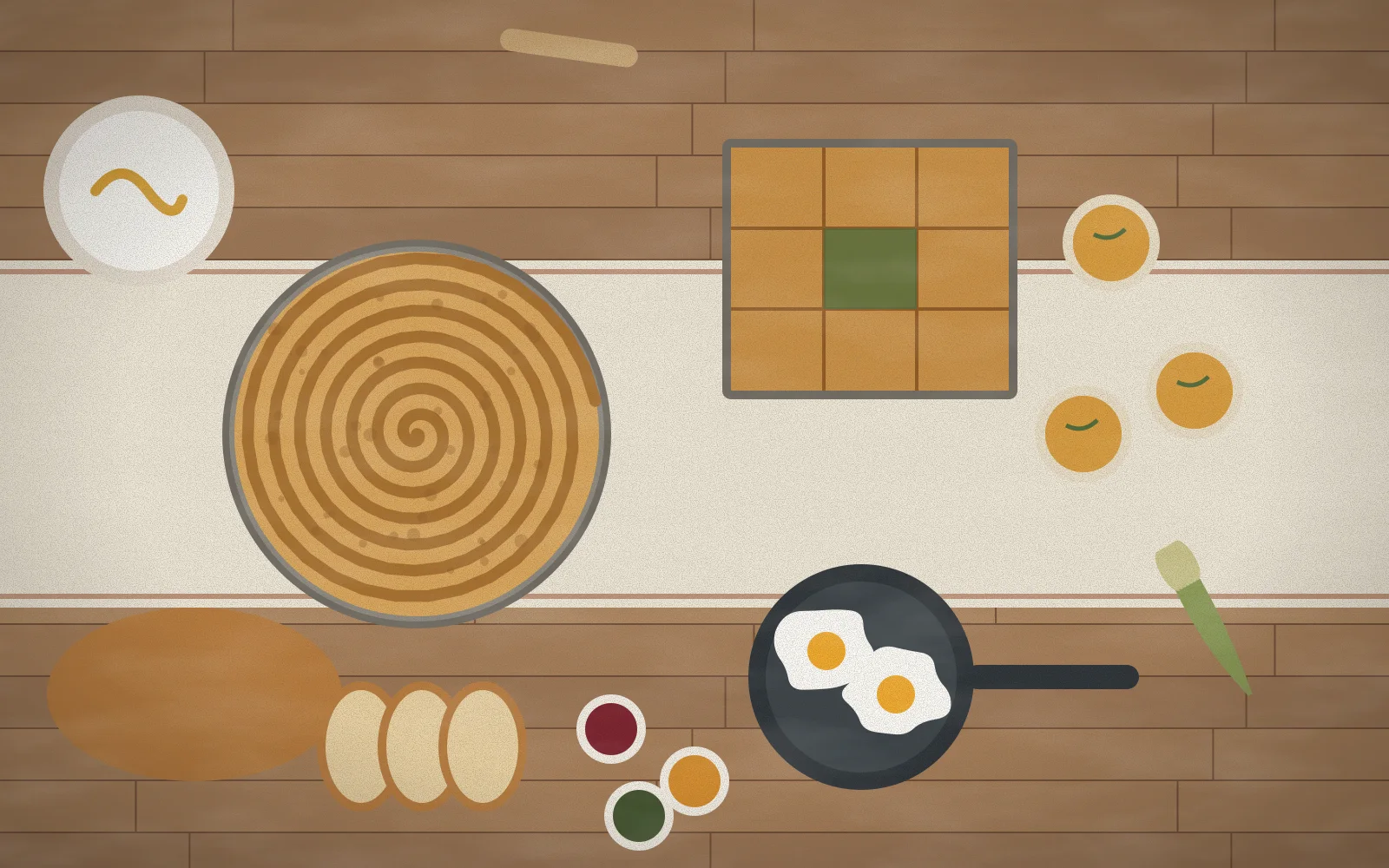
Petros grew up in Tsepelovo, an hour up the mountain, and cooked in Ioannina and then in Thessaloniki before he followed Katerina here. Breakfast is his: three pies a morning, rolled by hand, from his grandmother’s notebook. He picks the herbs for the tea on the slope behind the church and is not interested in anybody else’s opinion of oregano.

The notebook

Kyra Vangelio

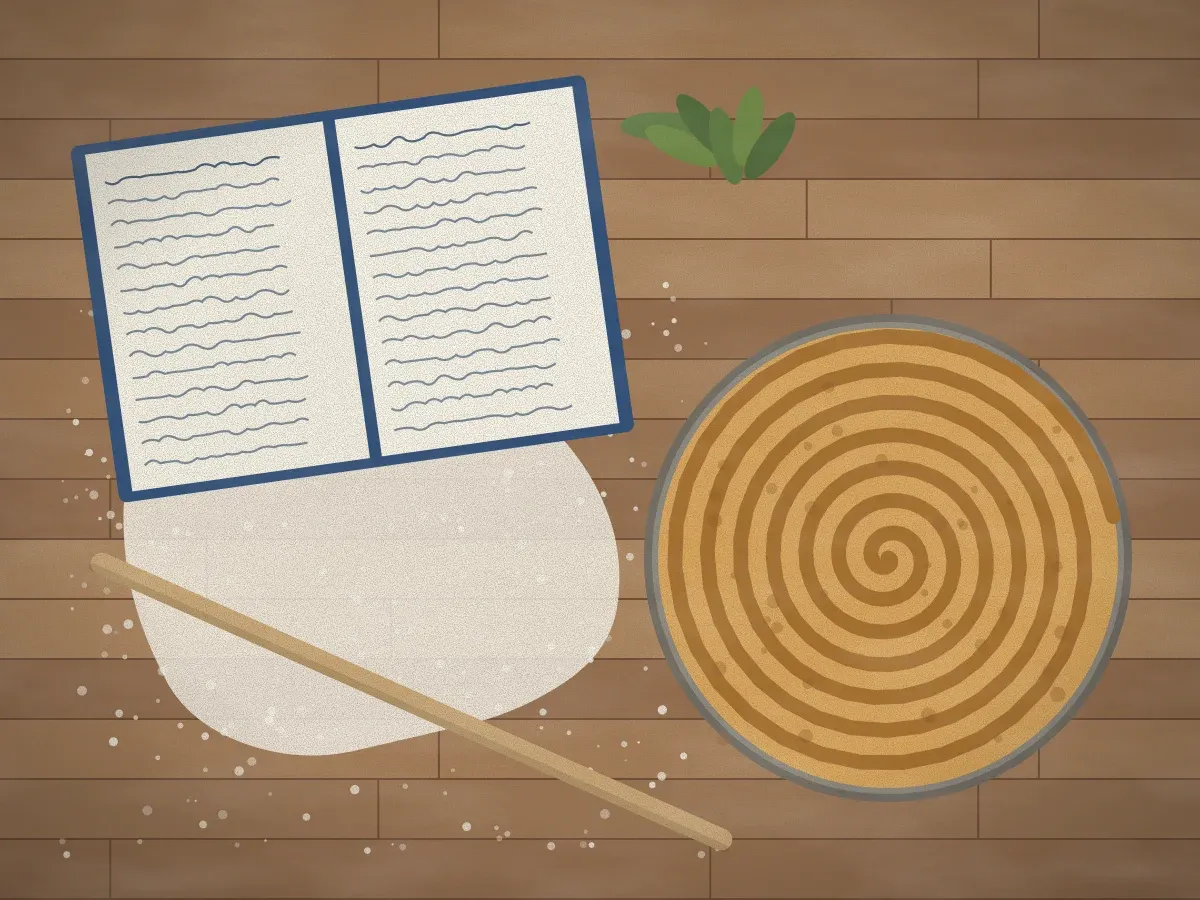
Petros’s grandmother kept forty years of pies in a school exercise book with a blue cover: leek, nettle, pumpkin, the one with rice and milk for Sundays. She died in 2011. The book lives on the shelf by the oven, and it is the only thing in the kitchen nobody else is allowed to touch.

The dog

Kanela

A shepherd dog of uncertain parents, the colour of cinnamon, found on the Vikos path as a puppy in 2019. She meets every car, walks the first kilometre of any walk with you and then turns back, and sleeps in front of the winter room’s fire from October.

A few house rules

Ask for a room